You are here: Home From my corner
Document Actions

From my corner

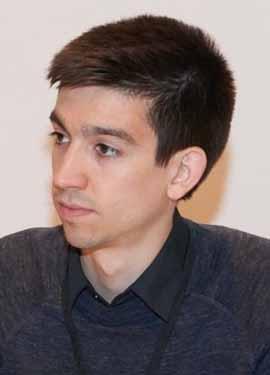
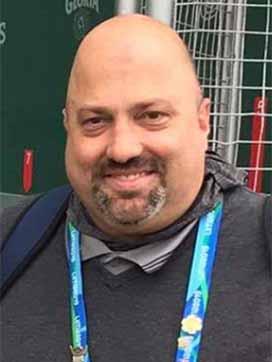
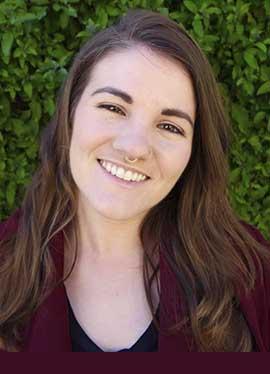
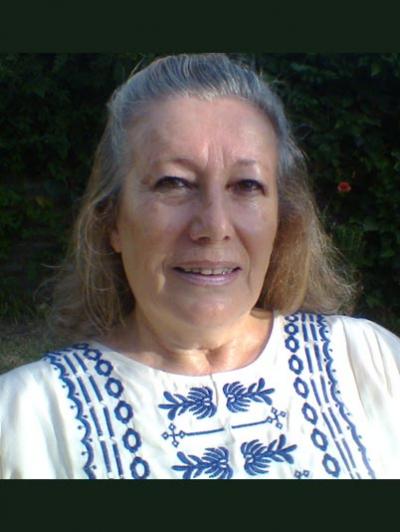
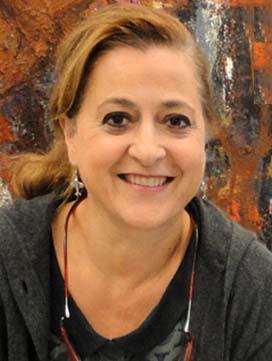
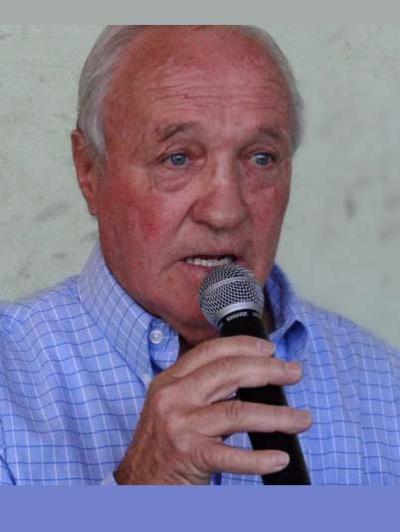
Cathy Biscaichipy, Beñat Minondo, Marisol Irigoyen, 'Semana Vasca' in Villa Maria, Gaztemundu...

I begin today’s entry sadly.  It happens to us who travel the Diaspora: over the years we get to know many people and sometimes make very good friends and so we are witness of what it's law of life, or sometimes the unexpected news that involves loss or the sudden death of the people that we have known, have interviewed, or with which perhaps, we have connected and have created friendships that gives rise to the diasporic effect, that maybe living in Euskadi one would not experience, but in this environment special connections of affinity and complicity are forged.

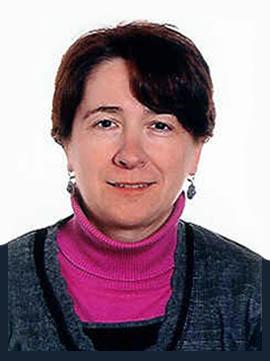
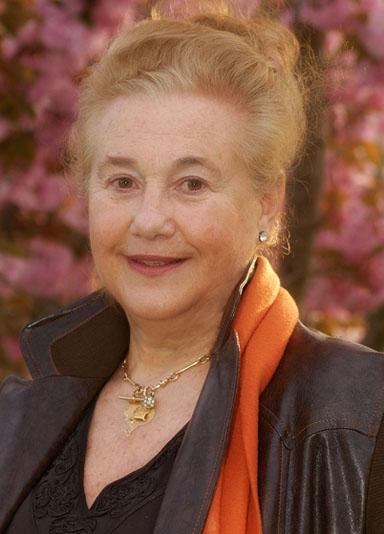
I will highlight three losses that happened over the last few days in my circle.  Last Monday, Cathy (Urrizaga) Biscaichipy passed away in California.  She was a Basque-American born in Buffalo, Wyoming, but who had lived in Southern California for years.  She was a Euskaltzale and Basque speaker, her family being from Ondarrola in Arnegi (Lower Navarre), with a double allegiance to Arnegi and Luzaide (Nafarroa).  I remember the charming “xuka” she learned from her parents, and the times we met in the Basque Country or in the US.  She was an active member of the Basque community, and a member of the Chino Basque club, serving as one of its NABO delegates.  We knew she had cancer, but her sudden death has caught almost everyone by surprise, given that she didn’t want to reveal the gravity of her condition.  A big hug to her children, family and friends.

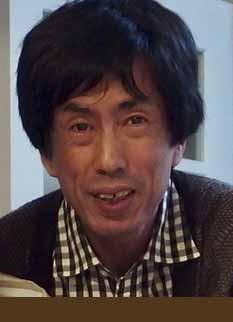
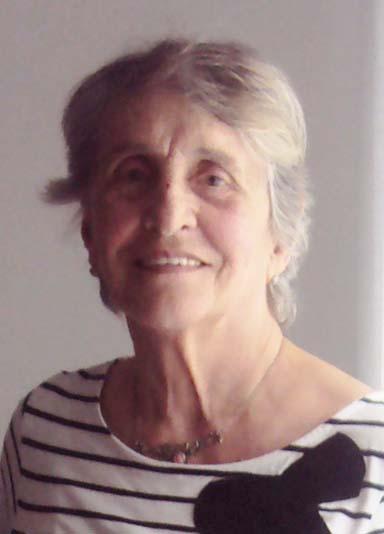
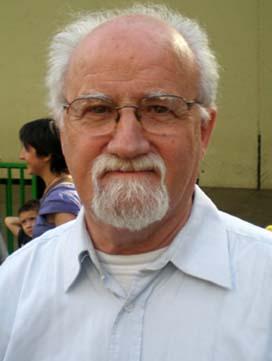
Last Sunday, this time in Bidarrai (also in Lower Navarre), Beñat Minondo, another friend, and friend of friends, died in his sleep, apparently of a heart attack, at the age of 57.  He was a member and the treasurer of the Euskal Argentina Association, and leaves many friends on both sides of the ocean, in the Basque Country and also in the Americas, particularly in Argentina and Uruguay, even though he loved to travel and had also toured other countries.  He was a rugby fan, and played when he was young; he established a special link with the Diaspora in Rio de la Plata and attended the Semana Vasca (Argentinean Basque Week) celebrations annually, as he did last year in Rosario, having also planned to attend this year’s event in Villa Maria.  I saw him for the last time in Rosario and we were going to see each other again on April 13 at the Euskal Argentina annual meeting in Donibane Garazi.  The church in Eiheralarre was too small last Wednesday to house everyone who wanted to say good-bye, leaving 80-90 people following the mass from the outside.  Three priests concelebrated the mass and more than 20 bouquets of flowers and plaques accompanied the coffin that was buried in the local cemetery.  Benoit Etcheverry recorded the audio of the ceremony.

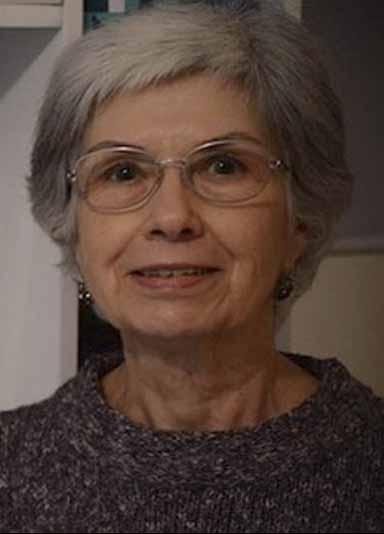
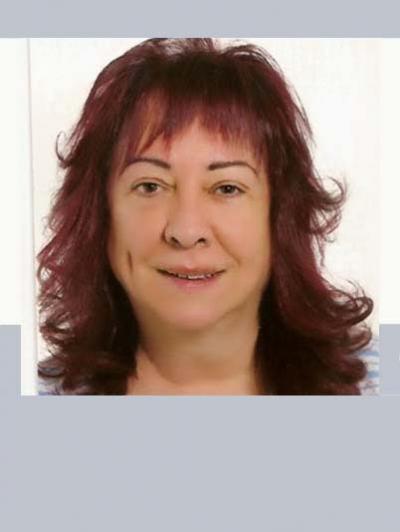
We return to California to remember the death of Marisol (Arrachea) Irigoyen, born in Baztan but who established her home in California after marrying Juanito Irigoyen.  Juanito died last December and Marisol followed him in less than three months.  Over the years, whenever we would see each other, either at a picnic or other event held by Basques in Southern California we greeted each other and visited, having a very nice friendship actually; also with her daughter Isabel Irigoyen-Cavinet, who I send her a big hug, also to her husband Serge and kids Sofia and Giancarlo; also to Marisol's brother-in-law and his wife Fidela (Irungaray) and Frank Irigoyen, as well as to their children, Fidela and Felipe.  I don´t see them often but still keep a good friendship, this is how I feel it.

These are Basques in the Diaspora that deserve to be remembered here, as do others who passed away this month like Santiago Cabruja or Isabel Gerediaga de Oleaga, in Venezuela; Juan Carlos Aldecoa Etayo or Conchita Ormaechea Pascual in Mexico, and many others.  Gogoan beude.  If you would like to pay tribute to someone please write us here.

To drastically change the subject, I need to mention that the dates of the Semana Nacional Vasca Argentina 2013 (Basque National Week in Argentina) that will take place in Villa Maria in Cordoba have been changed.  The new dates are November 8-10.  This is a big change since the original dates were set for October.  If you know of anyone who was planning on attending during the original dates, please let them know about the change.

On another note, and answering various questions regarding the opening of the application period for Gaztemundu 2013, according to the Basque Government, the call will be published soon in the Official Bulletin of the Basque Country.  This year’s edition will be dedicated to Basque club's musicians, as requested at the last World Congress of Basque Collectivities.  The anticipated dates are from August 31-September 13 in Vitoria-Gasteiz.  Just as last year, there will be 15 spots.  More details will be available in the call itself.

More questions about the economic situation.  I’m not revealing anything new if I say that the economical situation in the Basque Country is not good righ now. We know that the situation in Spain is even worse and that the winds that blow over Europe are not contributing to any optimism.  Regarding the Basque Government and its Foreign Affairs department, a relevant reduction of resources will be included in this year's budget.  Deep restrictions can be expected, for instance in the annual call for grants for Basque clubs and federations.  All of this while the budget is still in Parliament. 2013 is going to be a bad year regarding aconomy.

This situation affects people, services and institutions.  Among the latter, we can mention a landmark entity and reference at the heart of  Basque cultural, academic, research and intellectual life, that is Eusko Ikaskuntza, The Society of Basque Studies, that has endured substantial cuts in resources,  activities and projects.  Its weekly newsletter Euskonews, that has a large following in the Diaspora, has now reduced publication to once every two weeks, while launching a campaign to raise funds from its readers in order to assure its survival; to say that the situation of EuskalKultura.com is far from being secured.  Stay tuned.

To end this long post, I want to join in with those who these days are sharing their enthusiasm in favor of Euskera, through the events of Korrika, in the Basque Country as well as in the Diaspora.  Many other members of the Diaspora will join from next Sunday on to celebrations of Aberri Eguna, the Day of the Basque Homeland.  I would like to especially mention the event that will take place at the Euzko Etxea of New York, as a part of the Centennial celebrations of this Basque club, the oldest in the US (but not in North America since Mexico’s Euskal Etxea was established in 1907).  During the event all the club presidents will be honored on March 31st beginning with Escolastico Uriona and Valentin Aguirre – its first and second presidents, in 1913 and 1914 – to the last two: Itziar Albisu-Kobayashi through January 2013, and since then Aitzol Azurtza.  Zorionak eta eutsi lan onari!  (Congratulations and keep up the good work)


2013-03-22

Starting a new year with hope, among barnetegis and the sound of drums

EuskalKultura.com is starting the New Year with hope and a thousand plans in mind to advance and take new steps in the communication and cultural dissemination of the Basque reality wherever it may be found. We started January, as every year, working and concocting proposals.  Yes, we are optimistic, what can we do? We´ll persevere, and “Gero gerokoak,” that is something like saying “we’ll cross that bridge when we come to it,” all the while continuing down our path.

As every year, January starts in the South American Cone with --home of more than half of the Basque clubs in the world-- on summer vacation.  But not all the clubs take a break, in Chascomus, for example, who just held Udaleku (Basque summer camp) 2013 that concluded last Tuesday in this city situated 124 kilometers south of Buenos Aires; last weekend, the Basques in Necochea celebrated their traditional Danborrada, San Sebastian’s festivities, this year a week earlier so as not to conflict with the city’s Festival of Communities, where the Basque community will also be represented. We will let you know about that tomorrow, in an article about Danborrada celebrations around the world.

Coinciding precisely with the Danborrada (or Tamborrada) celebration in Donostia and in different places in the Diaspora, another group of Basques, in this case Basques dedicated to the Basque language and its instruction in Latin America, will meet next weekend in San Nicolas de los Arroyos, on the boarder of the Argentinean provinces of Buenos Aires and Santa Fe, to hold their first barnetegi (boarding school) of the new four-year cycle of the Euskara Munduan program. I would like to emphasize that, besides the work done by Kinku Zinkunegi as coordinator of the program --he will travel from the Basque Country to attend the event-- the other three professors that will instruct in the barnetegi are all Basque speakers natives of the Diaspora, sons and daughters of Euskara Munduan and its predecessor program, Argentinan Euskaraz.

2013-01-14

A Final Farewell to Jaime (Heguy) Brown and about the new government

In the last installment of “From my Corner” we mentioned the death of Jaime (Heguy) Brown, a Basque-American girl from California who passed away at the age of 19 after a two year battle with Ewing Sarcoma, bone cancer. Her funeral was last week's Monday in her home town of Los Banos, California just south of San Francisco, and was attended by a world of people and emotions.  Many people, and youth came, and many from long distances, to say their final farewell to Jaime.  The family had requested that her friends from the various Basque clubs come dressed in their dance costumes which many did.

Aita Mike Lastiri officiated at the service.  Among the participants were many friends, neighbors and friends from high school, people from Los Banos, and more non-Basques than Basque.  Many of her Basque friends traveled hundreds of miles to be there.  The mass was complete with dance, music, and Basque songs.  Her friends in the Klika played for her, and the txistu was played as well, there was dancing and singing in Basque, the songs chosen by Aita Lastiri and the family. 

Christian Jaureguy, a friend from NABO’s Udaleku, came from Chino (500 kms. South) to dance Agurra in her honor in front of her coffin that had passed through an archway of hoops held by her dancer friends, to the sound of the txistu and klika that she loved so.  At the reception, held at the fairgrounds, youth and adults alike danced a jota-fandango to say goodbye to their departed friend. 

I couldn’t attend.  I would have like to.  I met Jaime and a number of her friends that were there.  Other friends told me about the day.  John Ysursa wrote about the tribute NABO’s website in English.  You can read his article here.

The second part of today’s installment will be about the new government, responding to the number of questions we have received from people in the Diaspora who are interested, but who don’t follow Basque Politics daily, or they do so roughly. We know that the new lehendakary Iñigo Urkullu was sworn in under the Tree of Gernika last Saturday, and that the his eight members of his cabinet will do the same this morning, Monday, in Vitoria-Gasteiz.

The machinery of the new government begins to move.  We would like it to speed up as soon as possible, and that the remaining apointments be made soon, so that work can begin. 

Additionally regarding the counselors themselves, there are some names that we recognize such as the Secretary General of the Lehendakaritza, Txus Peña, who held this position with Ibarretxe, and others who are close to the lehendakari Urkullu, in the Area of Communication, Manu Castilla, who comes from EiTB, and Iñaki Bernardo, the latter who was head of the press at the Bizkai Buru Batzar, and who know Basque clubs well as the person who coordinated the Euskal Etxeak magazine twenty years ago.

We need to remember that the current Directorate for Basque Citizens and Communities Abroad depends, at least according to the current organizational chart, on the Secretary General of Foreign Action, which in turn is dependent on the Presidency of the Government. The apointment of the new Director for Basque Communities Abroad is next.

With respect to this, some people have asked us about the call for Basque club grants for 2013 by the previous government that will be published in the Official Bulletin of the Basque Country this Friday.  This we are told, is standard procedure aimed to buy time and facilitate the management for the Basque clubs and federations, even though it is done with some suppositions that can be changed or adapted.  However, the thought is that it is important that the application period be open, and deadlines set as to not delay the concession, which always plays against Basque club economics.  This is a bit messy, but I hope it makes sense.  Until the next installment.


2012-12-17

Jaime (Heguy) Brown dies in California just shy of her 20th birthday

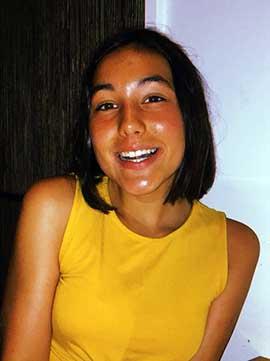
Even though somewhat expected, it didn’t make the news any less shocking or cruel: Jaime died on Tuesday in Los Banos, California, surrounded by her family and friends after battling cancer for two years.  Jaime (some spell it Jamie) was very well-known in Los Banos and San Francisco, as well as in general among NABO youth.  She was a dancer as well as being very active, participatory, committed, and an Udaleku participant, first as a camper and then later as an aide.  She was a very nice girl of affable character, euskaltzale, hard worker and contributor who enjoyed many good friends in many Basque clubs.

The news of her death hits where it hurts the most.  She was only 19 years old; and would have been 20 on January 27.  She had all her life ahead of her.  It has been, and is very difficult for her family and friends.  However, this has led to the flourishing of the best part of Udaleku, the Diaspora and being Basque: friendship, solidarity, sharing moments, smiles and tears, while feeling part of a big family that is the Diaspora, and its Basque communities, friends from Basque dance, Udaleku or picnics.

That is how we met Jaime, as a child coming to Udaleku and who grew up sharing with many of the youth who will attend her funeral on Monday at noon.  The family has asked that her friends come in Basque dress, and that dancers come in their costumes.  And so that is what they will do coming from Utah, Idaho, Nevada and other places in California as well as others who have already confirmed their attendance, some of them traveling thousands of kilometers to say good bye to their friend and dance the last dance with her, as at Udaleku.

For those of us who can’t be there in person, we will join in from Euskadi, and other places in the world, in spirit dressed in the colors of the dantzari, in this “azken agurren garaia” (final farewell) that we share beside the fire, arm in arm, at Udalekus in the US, Uruguay, or Argentina to say good bye to our friends, but only until the next Udaleku in which Jaime’s voice will join in again with other members of the Basque family, “maitasunez besarkatuz, agur, agur, agur” (With a loving hug, agur, agur, agur).

Ez adiorik, Jaime. A heartfelt hug to her family and friends.

-Jaime’s obituary, here


2012-12-06

St Martin, Basques affected by Sandy in New York and the new government in Euskadi

Last Sunday, November 11, was Saint Martin, a date that is celebrated throughout Euskal Herria linked to the custom of txerriboda and pig butchering in the rural areas, and key to festivities in towns and neighborhoods, or celebration by people whose name is Martin or Mattin, a traditional Basque name.  There are also many in the Diaspora who celebrate that date.  North American clubs come to my mind such as Zazpiak Bat in Reno, Nevada who gets together for San Martin dinner; or as in Madrid Euskal Etxea’s case who celebrated with a huge “babarrun-jatea” (bean feed) “with all of the accessories,” as doctrine dictates. 

We also saw important events taking place in previous weeks, towards the end of October like Semana Vascas (Basque Weeks) in Paraguay, in Asuncion (we will publish a summary soon) and in Argentina, in Rosario.  On the other side of the world one of the most flagship and international Basque writers, Kirmen Uribe, was in several cities in Japan and attended various appointments, meetings and talks with Japanese readers and fans of literature, and presented the Japanese translation of his novel Bilbao-New York-Bilbao.  Yes, the Basque language and literature written in Basque help to get to Japan and visit its universities and literary forums, and talk on equal footing, and share the love and passion with other literature fans, and professors in that culture.

The Week of Basque Cinema concluded in Berlin very successfully (zorionak!) as one event (along with others) like film,  where Basque clubs can serve as effective promoters of Basque artists, and their contemporary works, in this case on the big screen.  In the Big Apple, people are still talking about the film and cultural sessions that took place in September in New York as part of “Basque Cultural Exchange,” a proposal that placed our creators at the level that they deserve on the international cultural map.  Not to mention the EH Sona festival that is taking place in Barcelona until December 1, organized by the local Basque club. All of them are windows that Basque artists and creators open to the world.

It is true that EuskalKultura.com’s Basque worldwide events agenda gets bigger every day despite us only puting together a few of the Basque activities, or those tied to the Basque world that take place every day.  Among those events, I am going to mention a special event that will take place this weekend at New York’s Eusko Etxea, coordinated by Baraxil Bengoa, to raise money and aide for Basques who were affected by Hurricane Sandy.  The hurricane caused extensive damage in the city, including Basque club members and families, who in some cases, have been living for many days in rather precarious conditions, without electricity.  It will be a pintxo dinner whose profits will go to the hurricane victims. (updated Nov, 16th, the event have been postponed, see the worldwide events agenda)

Finally, many readers have been writing asking about the new elected Basque government, who, how, appointments… Even though I am not an expert on the topic; I understand that there is a true expectation and anxiety surrounding this in the Diaspora, above all in the context of the economic crisis so I will begin to describe the timetable for the new parliament and Basque government.  On Tuesday November 20, the new Basque Parliament will be constituted and will elect in its first session its officers and new president (of the Parliament).  After that it will convene within 20 days for a meeting of the new chamber that will analyze the same incompatibility of its members and will call a new meeting in which they will talk about the election of a new Lehendakari who will most likely be Iñigo Urkullu, candidate from the EAJ-PNV (Nationalist Party).  This will probably take place in about a month, just before Christmas.

Once the Lehendakari is appointed by the Parliament, he will swear under the Tree of Gernika and make his new cabinet known.  In any case, from that moment, the respective ministers of the Government will have to form their teams and make appointments in the different levels, which would presumably situate us, in relation to the appointment of the person in charge of the office dealing with the Basque clubs affairs, at least the end of January or February; that is, the first appointment will be that of the Secretary General of Foreign Action (that is currently filled by Guillermo Echenique and prior to him by Iñaki Aguirre), who will appoint the Director for the Basque Citizens and Collectivities Abroad (incumbent being Julian Celaya,  preceded by Josu Legarreta).  Meanwhile, the Government will proceed to the budget extension for a short period because the 2013 budget will become its first priority task.   It is expected that the new budget will be presented in March.  The budget, its amount and distribution will show us which one is the real current situation and the panorama that awaits us in the New Year.

2012-11-15

Basque Parliament Elections followed by Basque Weeks in Paraguay and Argentina

To tell you the truth, anyone reading this probably knows more than I do about the Basque Parliament election results held last Sunday.  I was traveling on Election Day, crossing the pond towards Paraguay since Monday the 22 marked the start of Basque Week in Paraguay and Argentina.

I read on the internet, and was told from our newsroom in Donostia-San Sebastian, that the preliminary results were EAJ-PNV 27, EH Bildu 21, PSE-EE-PSOE 16, PP 10 and UPyD 1, according to these it seems clear that the nationalist candidate, Iñigo Urkullu, will be the next Lehendakari one way or the other.

According to what polls had predicted so begins a new cycle in the Basque Government and surely for the country, during an unprecedented political and economic moment that will undoubtedly have its echo, its effect and its impact on the Basque clubs, and Basque communities in the world, who have more and more people wanting to participate and be more present in the Basque reality of an Euskadi that they feel more a part of.

Elections take place in the Basque Country, but meanwhile the Basque world in the Diaspora, with an eye on the results, marches on.  As a prelude to the second Basque Week that starts this Monday in Asuncion, Paraguay, the Basques of San Juan Bautista – the capital of the department of Misiones,  an hour’s drive from the capital -  carried out the ceremony, with the participation of local and regional authorities, of the laying of the corner stone (figuratively) of the Euskal Etxea in this city in which a portion of the population carries Basque surnames and heritage, to which they new want to give content, knowledge, and projection.

Besides the aforementioned attendance of authorities, a bus of representatives also attended from the Euskal Etxea Jasone from Asunción, with president Hector Izaguirre at the head, who was also joined by the delegate of the Basque Government in Argentina, Brazil, Paraguay and Uruguay, Elvira Cortajarena, who came expressly for the event from Buenos Aires.

Today, Monday morning, various meetings and contacts will take place with the Paraguayan Administration at different levels, that will continue through the coming days.  Today, the inauguration of the exhibit commemorating the 75 anniversary of the Bombing of Gernika, talks and other activities that will also involve the Basque and Uruguay administrations continue on Tuesday and Wednesday.  The Basque club will introduce the activities, in particular those concerning tourism and bilingualism.  Paraguay is a country with a very significant presence of Guarani, although the language enjoys official status the hope is to advance and strengthen it in all spheres of daily life, academic, journalistic, educational, and so they find the Basque language case particularly interesting.  The Bizkaian singer, Joseba Gotzon will give a concert and Elvira Cortajarena herself, will give a talk on Euskadi today on Wednesday the 24, the night before the Day of the Statute.

We will continue to talk about all of this.  Thursday I will go to Rosario, to a very different celebration that is the Basque Argentinean National Week 2012 whose motto is “100 Years of Nationalism” and which will be attended, among other invitees, by be former lehendakari Ibarretxe.  This is a few days.  Segi pixkor.

2012-10-21

We start a new school year… and on Wednesday a drawing!

 Today is the first business day in September, and a special one since for many in Euskal Herria and Europe it marks a return to normality, to school, or work after the summer months and the “summer atmosphere.”  For those who read us from the Southern Hemisphere, you are still in winter so this doesn’t apply to you until the end of the year.

I am writing from the EuskalKultura.com offices in Donostia.  Yesterday, Sunday, we enjoyed great atmosphere as far as the weather as well as the overall regatta atmosphere, since each first and second Sunday of September the Bay of La Concha becomes incomparable during the traditional trainera races bringing many people, color, much bustle, and a festive atmosphere to the city, especially to the old part.

Today, however, it rained and has cooled off considerably and at 8am the lines of cars and small traffic jams have returned to our daily life, marking the reentry or the beginning of the four moths that remain in this complicated year of 2012.

The month of August didn’t mark any kind of lull in the activities in the Diaspora as it may have for some parts of Euskal Herria.  Last weekend the second edition of “Buenos Aires Celebrates” took place, organized by the city of Buenos Aires, dedicated in this case to the Basque Country, after the successful event it was in August of last year.  It is an initiative to honor as well as acquaint people who live there to aspects of culture and the reality of the various ethnic, cultural and national groups living in their midst, as reflected in the article that appears in our news section.

But Basque festivals, academic, and popular meetings have continued without interruption throughout the month all over the diaspora. And they continue. Today is a holiday in the US, Labor Day, and as a three-day weekend has been chosen by the Basques of the Chino Basque Club  to celebrate its picnic and annual Basque Festival; next weekend, it will be Marin-Sonoma County Basque Club’s turn, North of San Francisco. And following in the US, in the coming weeks and days there will be more, including the celebration in october of Euskal Kantari Eguna (day of Basque song) in Rocklin, California.

The beginning of the Gaztemundu program, tomorrow in Lazkao (Gipuzkoa), organized by the Basque Government in this case for Basque teachers from various countries, marks a point in the Basque agenda that continues without interruption, with events such as the celebration of the Diada at Sydney’s Euskal Etxea, the Heritage Day at the Basque Center of Bordeaux, the Basque Week of Madrid, as well as those, for example, in Brazil, Paraguay, Argentina ...

As part of the chapter of sadder news there is the death this last week in Mexico of Iñaki Ruiz Cuesta, who was the Delegate of Euskadi of Mexico during the Ibarretxe administration (see article).  Just a few days before, on August 27, Jorge Gilabert died in Tandil, Argentina, friend, colleague, founder and supporter of the weekly newsletter “Alma Vasca,” to whom we will dedicate a well-deserved obituary tomorrow.

Over the coming days, weeks, and months we will continue to provide information on the new steps we’re taking at EuskalKultura.com.  Our commitment to the maintenance of information and informational ties between the Diaspora remain firm and so we will keep going while we can. At the moment we plan to continue to the end of the year, at a good pace.

We’ll see each other tomorrow in the newsletter or on the website

PS: For those who would like a copy of Euskera for Dummies for free, don’t forget that the drawing concludes this Wednesday.  If you are a subscriber all you have to do is subscribe a friend, with their permission, at info@euskalkultura.com including the mailing addresses of both of you, so that we know where to send the books.  If you are still not subscribed, you can subscribe at the same time.  In the same email you can indicate which Basque club, library or Basque teacher you would like to gift a third copy of the book to.  We will send it in your name.  Remember that the deadline to enter is at midnight,
Continental European time, on Tuesday.  Results will be published on Wednesday.

2012-09-03

Summer themes: Gaztemundu, Basque teacher in London, dummies etc.

Many are anxious to see who has been chosen to attend Gaztemundu 2012, dedicated this year to Euskera teaching at the Basque centers. We’ve received various emails regarding that. Well, we have been told that the results are spected to be announced between today and tomorrow, after being signed by Guillermo Echenique, Secretary General of Foreign Action of the Basque Government. Good luck for this Gaztemundu that will begin September the 3rd. [Add July, 27: the results]

Related also to Euskera, remember that the Basque Society-Euskal Elkartea in London is looking for a Basque teacher for the upcoming school year.  It is not a full-time job, but it can be good experience and also help financially to some Basque person who may already live in London or who has an idea to move there for a period of time.

August is getting closer.  Many Basque clubs around the world that just finished celebrating San Fermin are getting prepared for San Ignacio, a celebration around this Basque saint that was born in Loyola, Gipuzkoa.  San Inazio or Iñaki Deuna, as it is called in some places, is one of the festivities that is marked in red in the Diaspora.  Along with Saint Francis Xavier, Saint Ignatius is the most universal Basque saint, and along with it has given a number of place names of Basque origin to the world: Loyola is a name that is repeated on all five continents as the name of people, places, associations or universities often largely associated with the Jesuits.

We need to remind you, before going any further, that the town of San Ignacio, in Argentina, will celebrate this next weekend its first Big Basque Festival, organized by the Basque club of Corpus Christi, Argentinean province of Misiones.  Anyone in the area is still on time.

Just a reminder about the Euskara for Dummies give-away.  The book is an excellent resource for people who don’t speak Basque, or who only speak a little, and want to get around in the Basque Country or be able to use expressions, words or phrases used in everyday conversation, all gathered in this book that is easy to read and consult. EuskalKultura.com is giving it away and all you have to do is subscribe a friend to our newsletter and send then an email with your name and information, along with that of the person who you are subscribing.  The prize is a copy of this book for each.  Participate!

This summer is in full swing and so I have had the opportunity to bee with various visitors from different places in the Diaspora, and in some cases, by coincidence, by others because they have come to see us.  People from the US like the Corcosteguis from Reno, NV and the Ysursas from Chino, CA, the San Mames from San Francisco… There is also a group of students here now from Bishop Kelly High School lead by Cathy Clarkson in the second half of an exchange that already took a group of students from the Olabide Ikastola in Vitoria-Gasteiz to Idaho; Judge Ron Parraguirre from Nevada and his family are visiting among other places their family’s origins in Etxalar, Navarre… there is a group of Basques from Euzko Etxea of Necochea in Argentina, who have been visiting the country, and Xabier Zubillaga, director, founder and instigator of Necochea’s Ikastola is also here...

It is summer and festivals are numerous in towns and there are a thousand activities of all types that are taking place.  This last weekend they ranged from the Donostia Jazz festival to the presentation of Amaiur by Pier-Pol Berzaitz, a work about the invasion of the Kingdom of Navarre 500 years ago... or the Baztandarren Biltzarra in Elizondo, Navarre. Next there will be a pastoral in the Zuberoan town of Arrokiaga about Jose Mendiague who is directly linked to the Diaspora in Chile, Uruguay and Argentina…

2012-07-23

Madonna, the Etxepare, Misiones, Pehuajó and Tolosa

One of the topics of conversation last week, which continues, is Madonna’s World tour that will cover 32 countries, with its continuous media coverage, as well as the fact that one of her songs to be performed is the Basque version of the classic Aldapeko sagarraren puntan (or Sagarra jo) by the Basque trio Kalakan that accompanies the artist on other songs as well.  In my case, I am not a fan of Madonna, but I am a fan of Kalakan. The group performed, remember, on the last day of the V. World Congress of Basque Collectivities last November in Donostia.  Some know them as well from visits to Basque clubs such as to Montreal’s Euskaldunak of Quebec Basque club on the occasion of its 15 anniversary and NABO meeting that they hosted last September.  Zorionak to Kalakan and to Madonna for her good taste.  :-)

I need to congratulate the Etxepare Institute that will celebrate two years since Aizpea Goenaga was appointed as its director.  With the addition of Marijose Olaziregi later as her second aboard, these two have managed this organization which has brought a breath of fresh air to the international Basque cultural world.  It has provided a well-deserved boost to the work done by Basque artists, at the international level, and in this way, to the diffusion of Basque culture in general, supporting their presence in many forums and the contributions made by Basques in different artistic disciplines.  We will publish an interview with the heads of Etxepare soon. 

As in many other initiatives, Etxepare was involved in some more good news regarding our culture at the international level, supporting the election of the Basque city of Tolosa as the site for the World Congress and Puppet Festival in 2016, the year of the European Cultural Capital in Donostia-San Sebastian.  The candidacy of Tolosa-Donostia won in Chengdu, the Chinese city that hosts this celebration this year, beating the Russian city of Ekaterimburgo, the other candidate to host this quadrennial event organized by the International Association of Puppets, UNIMA.  Tolosa which has an international center dedicated to this art will organize an entire week that year, that will warm up with other activities and parallel programming starting in 2013.

To conclude with the congratulations, I would like to thank all of you who wrote us from Argentina, on the occasion of yesterday’s celebration, in this southern country, of the Journalist’s Day. Mila esker with a wish on my part, that the number of activities in the Diaspora and of Basque culture in the world continue to grow and in that growth strengthen also the commitment of the Basque community and their representative bodies to publicite and disseminate their day to day contributions: the large and bigger ones, and also the modest ones, that are there and are relevant for many Basque clubs and communities and sum and build up the real picture of the Basque diaspora. 

I’d like to point out that elections will take place in Iparralde, and all of France, this Sunday.  Polls indicate that the Left may advance and that one or more of the three seats in the Basque Country may change its sign, in line with the results of the presidential elections where those in Iparralde voted for Socialist Hollande and not for the incumbent Sarkozy. 

At a local level, the Basque club in Pehuajó, Argentina, tells us that they will celebrate Members’ Day this Sunday, an event that they would like to repeat every year in their program of activities.  In the US, Winnemucca, NV will host its annual Basque festival this weekend; and many other activities will take place around the world, some of which appear in our Worlwide Basque Agenda.  Izan asteburu On!  (Have a good weekend!) 

PS: It is clear that EuskalKultura.com’s resources are limited and so we are not able to report on all the initiatives, calls, and happenings we know or we are informed about, even though we try.  From Posadas and San Ignacio, in the province of Misiones in Argentina, the Eusko Etxea Basque club let us know that they continue preparations for the Big Basque Festival that will take place on July 27-29 in San Ignacio amid the beautiful landscapes including that of the ruins of the Jesuit mission.   They would like to reiterate the invitation to both members and friends of the Basque clubs from anywhere (including dancers, musicians, drummers, sportspeople…), as well as to people in general who would like to attend.  For more information on lodging, or for questions about the area, the program etc. email oleiciaga@gmail.com or call (54) (0)3764495057 or 0376 15 4707521 (cell).

2012-06-08

Game day and remembering friends who are no longer with us: Domingo, Teodoro, Maximo…

Today is undoubtedly a special day on the calendar for many Basques: finally the day of the Cup Finals arrived and Athletic Bilbao and Barcelona will face off at Santiago Calderon Stadium in Madrid in a very exciting match, even in the Diaspora where many Basque clubs, peñas, homes and bars will be following the action closely.  From Rosario, Athletic coach Bielsa’s hometown, Enrique Otaño, president of Zazpirak Bat in Rosario (Basque center that is celebrating its Centennial, including organizing Argentina’s Semana Vasca in November), wrote in Deia this article today with pride and unconditional support of Athletic. 

But today, May 25th, it's also national holiday in Argentina where Basque clubs like Laurak Bat in Buenos Aires will gather to celebrate the occasion to share a long lunch together, until 5pm (10pm in Madrid) or game time so they can watch the game together on a big screen TV at the clubhouse.  Similar things will take place in other Basque-Argentine clubs and around the world, connecting to broadcasts on various channels, with the invaluable help of the Internet.  The peña in Sydney is going to have to make a special effort since they will have to be ready at 6am on Saturday, local time, to watch the game live.  On the other hand, our friends in California, some of whom have asked for time off to watch the game live at 1pm local pacific time. 

In Bakersfield, California some folks will have all weekend to celebrate a desired victory.  Just as today is a holiday in Argentina, Monday is Memorial Day in the United States; the chosen weekend for Basques at the Kern Country Basque Club in Bakersfield to celebrate its picnic and annual Basque festival.  This year’s celebration marks the festival’s 40 anniversary even if the club itself, founded in 1944, will celebrate its 68 year.  It is now preparing to host the NABO convention in 2014 that will take place in Bakersfield to mark its 70 year, as published yesterday on EuskalKultura.com.

Speaking of festivals, tomorrow, Saturday, they will celebrate in the Navarrese Valley of Ultzama, the “Day of Absent Navarrese) (day to celebrate Navarrese abroad), an annual celebration that is marking its 24 edition organized each year by the Government of Navarre along with a local entity that rotates each year.  The program will begin at 10:30am with a full slate of leisure activities that will include trikitixas, rural sports and a large number of  festive events throughout the day.

To close today’s post, I am going to take advantage of these lines to refer to three friends in the Diaspora, all three advanced in age and references for their local Basque communities who have left us a few days or weeks ago.

Domingo Martirena died in Buffalo, WY (USA), born in Arzainxuria in Baigorri (Lower Navarre).  We met 22 years ago in Buffalo while he was a radio host on the Basque Program, broadcasted in Basque on the local radio station KBBS.  The last time I saw him was last summer at his home in Buffalo, where he was already confined with oxygen, even though he still had his "genius and figure".  He will remain in my memory with the “Biba, biba, biba eskualdunak” with which he always ended the anthom “Gernikako Arbola.”

In Boise, ID Teodoro Totorica passed away at the beginning of the month, father of Gloria (Totoricagüena), Rose, Ted, Dolores, Tony, Carmen and Teresa and patriarch of a large Basque-American family that contribuited with good fruits to our common heritage. A big hug to everyone, including Mari Carmen Egurrola, the amatxu and amume of the clan. 

Much further south, last Monday Maximo Corcuera died in the town of Coronel Dorrego in Argentina. He was another reference to the local Basque community and a member of the Basque club having held various offices; he served as president for the 'Denak Elkarrekin' of Dorrego until this last March.  I remember seeing him during a trip to his town just a year and a half ago, when Maximo and friends from the club made me feel at home, like in a family reunion, as happens many times in the Diaspora, sharing feelings and stuff that go beyond words.  Beude gure gogoan.

2012-05-25

bisita